I haven’t written yet about the new weight loss medications that are sweeping through society (Ozempic, Wegovy, Mounjaro, Zepbound, etc) but that’s not for lack of experience with them. Patients frequently ask me about these medications and yes – I do sometimes prescribe them. Given that interest in these medications is only growing, I thought it was about time to create a blog post on the topic.
There is already a severe shortage of primary care doctors in the state
A third of the primary care doctors who are currently practicing in MA are approaching retirement in the next few years
Very few young doctors are entering the field to replace those retiring doctors
Hence, the shortage of doctors is going to get much, much, worse over the next few years.
The article discusses a proposal called “Primary Care For You” that would attempt to rectify the problem. Unfortunately, while it’s certainly a good thing that somebody is paying attention and at least trying to remedy the crisis, I’m not very optimistic from the reporting in the article that this plan will make much of a difference.
Recently, a patient asked me what I think of the tap water here in Marion, noting that many of her friends refuse to drink it, and choose instead to drink only bottled water.
In fact, I had the water at my house tested by a private company a few years ago, and the report came out quite favorably. (I don’t recall the name of the company that did it, and have no endorsement of a particular company in this regard). I think getting the water in your home tested periodically is not a bad idea for anybody to do. It’s also possible to get a good quality water filter for your home if you want to ensure the purest water possible. Again, I have no particular brand to endorse in this regard, so if this interests you, do your own research.
What I do wish to specifically comment on today is how awful bottled water is for you.
A theme I come back to over and over again on this blog is the benefits of a simple exercise regimen that requires minimal time and equipment. Building on this theme, I’d like to briefly post today about one of my personal favorite exercises: the farmer’s carry (and its one handed equivalent, the suitcase carry).
I’m excited to share that, as of last week, I am now licensed to practice telemedicine in Florida. I took the step of obtaining this extra license because I have a number of patients who spend part of the winter in that particular state, and it seemed like it would be useful to be able to dispense health advice (not to mention medications!) via phone or Facetime without having to worry about running afoul of medical licensing laws.
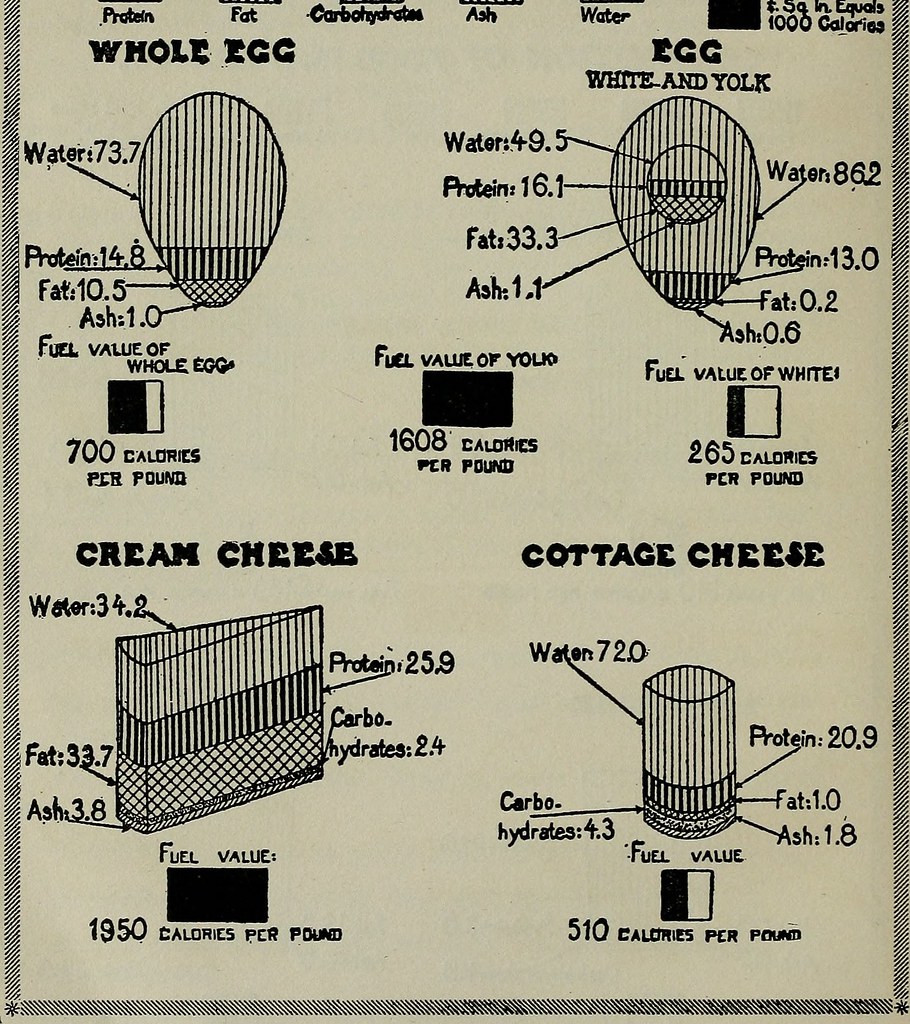
As my patients – and regular readers of this blog – know, one of my frequent recommendations for better health is to increase the intake of dietary protein. Dietary protein is satiating, which tends to lead to lower overall caloric intake, and thus less fat mass. At the same time, dietary protein supports muscle mass, particularly when combined with a regular program of physical activity. The combination of less fat and more muscle leads to lots of desirable outcomes, from improved health (lower blood pressure, lower blood glucose, improved metabolism, lower risk for frailty with aging) to a more visually appealing body aesthetic. Does this strategy work for everyone? No, we’re all unique. But for a lot of people it’s quite helpful.
However, frequently when I make this recommendation to patients, I am met with one particular concern: “won’t all of that extra protein harm my kidneys?”