One of my favorite movies is the very underrated Avalon, from 1990. The film tells the story of an immigrant family in Baltimore, from their arrival around the time of the first world war up through several generations, until around the late 1960s. The family is fictional and from somewhere in eastern europe (I got the sense watching the film that they were probably a Jewish family from Poland, though I don’t recall that their background was ever definitively specified), but their experience could easily stand in for millions of Americans, no matter the ethnic or religious background.
At first the family are poor and work menial jobs as they struggle to acclimate to life in America. But as the years pass and successive generations take over, they climb the ladder, achieving the American Dream of middle class affluence: better jobs, a big home in the suburbs, automobiles and televisions. However, there is a price to pay for this success, as the close family cohesion that they share at the start of the film begins to dissolve. By the film’s end, the members of the family are well assimilated into American life and much more prosperous, but also lonelier and less happy.
It’s a very beautiful film and if you take nothing from this blog post other than that you should see Avalon, then I’ve done something good for the world today. But of course, I didn’t create today’s post just to share my taste in cinema with you.
In the age of media-induced panics over every possible issue, several patients have recently asked my thoughts on the recent Hantavirus outbreak onboard the cruise ship MV Hondius. The quick punchline: I think it’s very unlikely that this will become a major pandemic ala COVID.
Here’s a brief FAQ I’ve prepared that breaks this down a bit more:
For context, the carnivore diet is an extreme version of the keto diet that shuns all plant-based foods. Followers of this diet eat only meat, fish, and maybe eggs and dairy, without any fruits, vegetables, legumes, grains, nuts, or other plant-based matter. In effect, the carnivore diet is the precise opposite of a vegan diet.
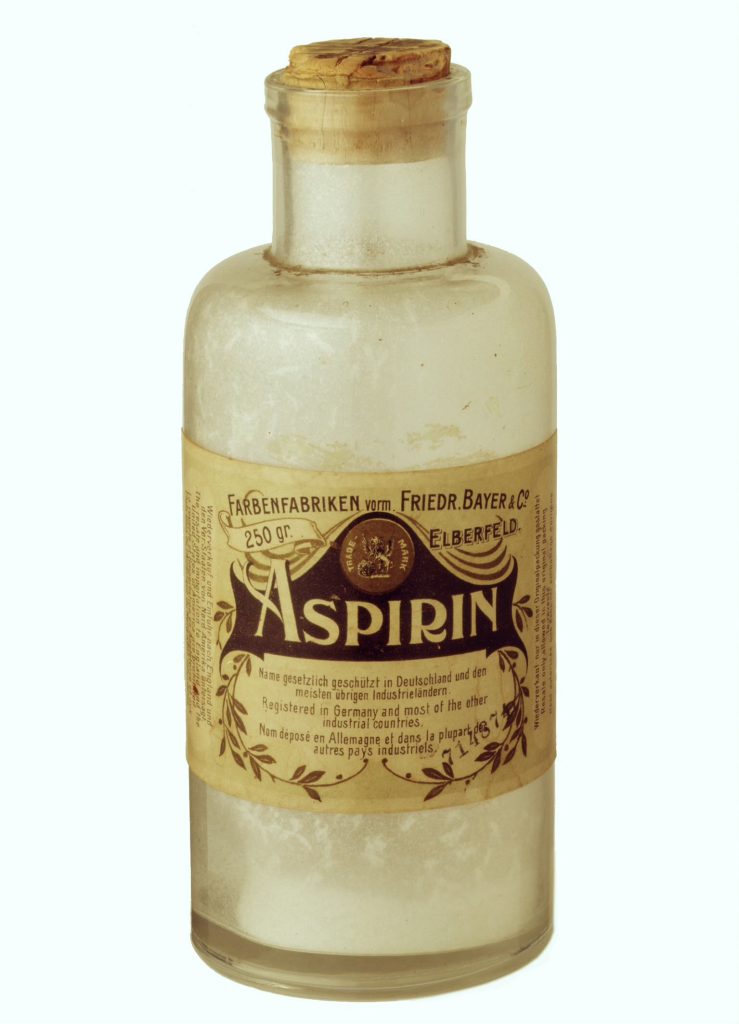
Aspirin has been around for a very, very, long time. The ancient Egyptians and Greeks used extracts of the willow bark tree – which contains salicylic acid, aspirin’s active ingredient – as a remedy for pain and fever. Then in the 1800s, chemists figured out how to manufacture a concentrated version of this substance and market it as the pain reliever we call aspirin. Right up through the 1950s, aspirin remained the most popular medication for pain, fever reduction, and inflammation. But with the advent of better medications like acetaminophen (Tylenol) and ibuprofen (Advil), aspirin’s popularity began to wane. Thus the first act in aspirin’s long story came to a close.