I don’t think I’ve mentioned it before, but one of my favorite health podcasts is called “Zoe.” Zoe is a British-American company that offers a service of personalized testing: they mail you a kit so you can submit a blood specimen and a stool specimen, as well as wear a continuous glucose monitor for a few weeks. Then they analyze all of this data and come up with personalized nutrition recommendations for you that are supposed to best sync with your own biology. I have no idea whether this works well or not, but the podcast that they use to market their product often features great conversations with legitimate scientific experts.
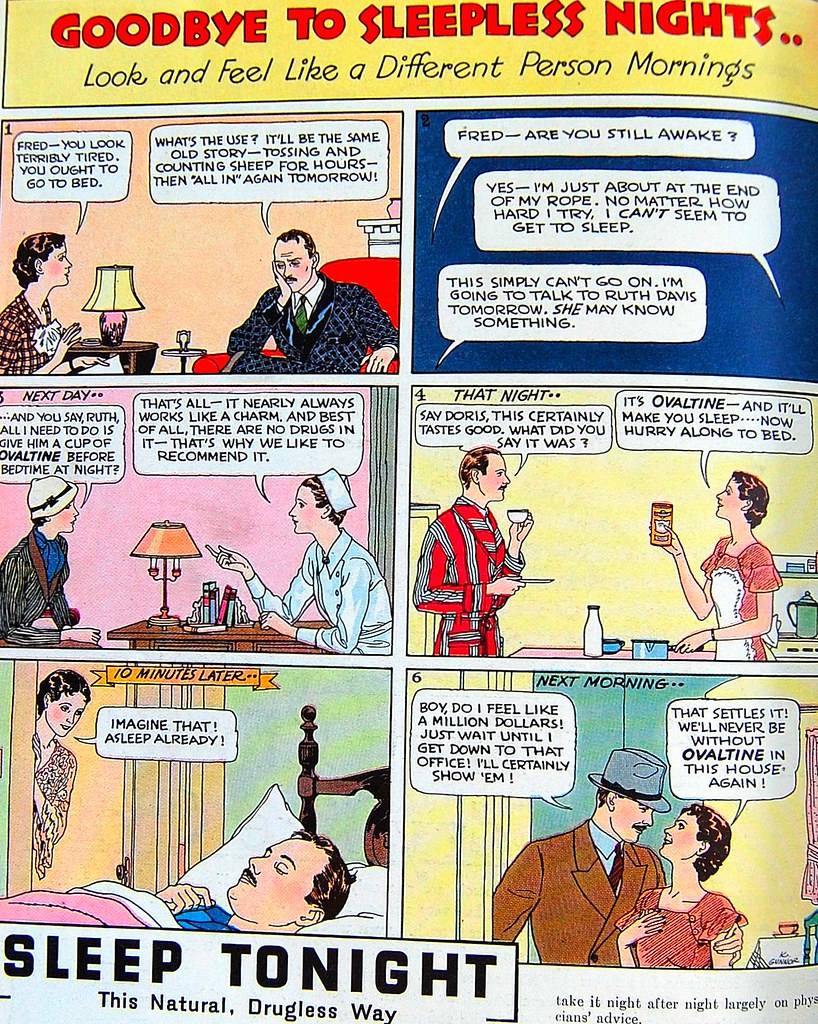
At any rate, I enjoyed their latest episode, which covers a subject near and dear to my heart: how to sleep better. Included in the episode are some of the topics I hammer home a lot (such as having a steady wakeup time, getting morning sunlight, and developing good beliefs around sleep), as well as some new tips and tricks that I was not previously familiar with. If you’d like to give the full episode a go, you can listen to it here:
Pictured Above: Max Liebermann – “Beer Garden near the Havel under Trees”, 1920
No, I’m not going insane. I’m just using this week’s blog post to engage in some stream of consciousness. So this post will be long and wandering, but I promise – I do have a point or two to make.
Regardless of where you stand politically, the recent assasination of Charlie Kirk was the latest in a string of public violence which should raise alarm bells about why so many Americans have become socially isolated, mentally ill, and radicalized by the internet into holding profoundly anti-social views. (I’m thinking not only of political assassinations and attacks, such as the slaying of several Democratic lawmakers in Minnesota, the attack on Nancy Pelosi’s husband, or the two failed assassination attempts on Donald Trump last year, but also of the all-too-frequent school shootings and mass terror attacks in this country).
Here’s a quick review of an older study (from 1997). In the study, they took middle-aged diabetics and randomized them to do either nothing, or to do 45 minutes of vigorous cycling on a stationary bike twice per week, plus one session of high-intensity interval cardio training (consisting of two minutes of vigorous exercise followed by three minutes of light exercise for five cycles, for a total of 25 minutes).
After two months, the people who did the exercise had lost 48% of their visceral fat, and significantly improved their insulin sensitivity and blood glucose numbers, even though they didn’t lose a significant amount of weight overall. You can read the full study by clicking here.
This post is an informational reference for current patients of mine. While the general public is welcome to read it, the specifics of the following applies only to my current patients:
One of my goals in starting Dr. Fischer, MD, was to be able to break free of the restrictions of insurance driven medicine and offer my patients what I believe is the best care. In this vein, I am excited to announce that we will be holding a screening clinic for esophageal cancer on the afternoon of Tuesday, October 28th.
Esophageal cancer has become much more common over the past few decades, and is often deadly. Now a new technology, called Esoguard, has been developed and approved by the FDA. Esoguard is able to detect pre-cancerous changes in the esophagus years before they would go on to be a problem. I believe that in the future this technology will be widely used in the American medical system, but right now most insurers have not gotten around to approving it, and it will be a long time before this technology is standardized and deployed widely at more traditional medical offices.
However, I am excited to announce that – for my patients who qualify – this technology is available now, at no out of pocket cost.
If you are a current patient of mine who is interested in learning more, please read the rest of this very carefully.
This post is just for fun, and light on science. So if you’re looking for something firm to hang your hat on, skip it. On the other hand, if you want to be bored by my personal thoughts, read on.
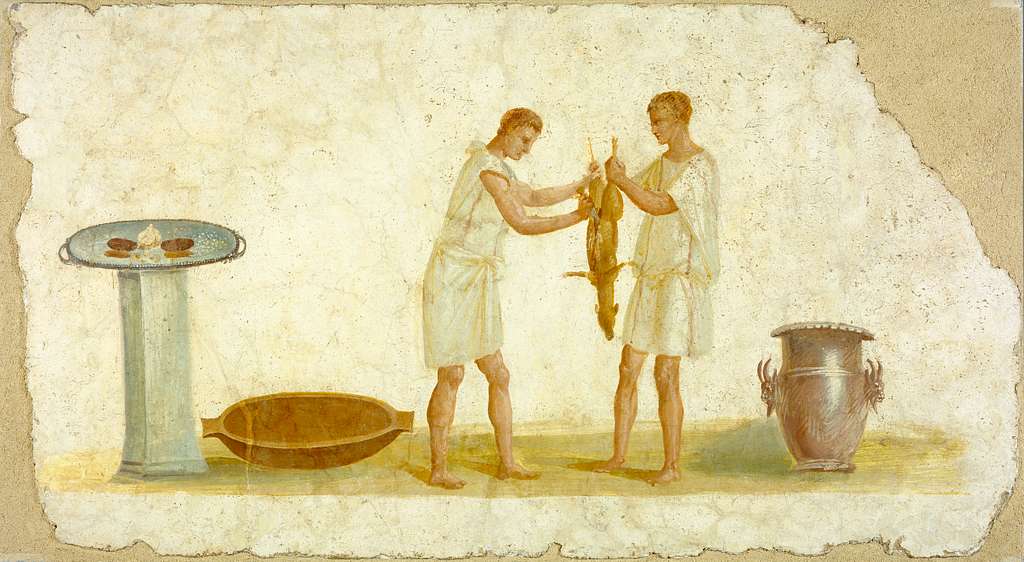
Today, I’d like to briefly return to this topic by discussing how the ancient Romans ate. But before doing so, I want to make two points:
The ancient Romans lived, on average, much shorter lives than we do. So it’s not that we should copy their world completely.
But as the old saying goes, there are “lies, damned lies, and statistics,” and in point of fact a major reason that average life expectancy in Rome is estimated to have been about 30 years is that roughly half of all people in the Roman empire died in childhood. Of those who did survive to adulthood, many young women died in childbirth, and many young men died of traumatic injuries (being a Roman soldier, or building aqueducts by hand, turns out to have been dangerous work). As a result, an enormous percentage of the population died at a very young age, which brought the average life expectancy down considerably. But of those who didn’t die young, many went on to live a fairly full life, and in point of fact quite a few Romans lived into their 60s, 70s, and 80s. And while we have no way of knowing exactly what happened to these folks, there are many lines of evidence to suggest that they suffered less than we do from obesity, diabetes, cancer, heart disease, or dementia. The point being, there might be some things these ancient folks can teach us about how to age well, despite the fact that the majority of them never got the chance to.
Secondly, I am using Rome only because it is such a cultural touchstone of ours, but there’s nothing unique to Rome in what I am discussing. Substitute in any other pre-modern civilization – the Persians, the Ottomans, feudal Japan, or whomever you choose – and you could likely draw a lot of the same insights.
If we think about this pattern, we’ll note a few things. Firstly, that it contains no processed or packaged foods (duh). Secondly, the diet is high in fiber and plant matter. Third, it is low in sugar (in fact the Romans didn’t have table sugar the way we do, though they did eat fresh fruit and honey to satisfy their sweet tooth). Fourth, it contains a fair amount of fermented foods (sourdough bread, cheese, wine), which we now know helps to nurture a diverse and healthy gut microbiome. Fifth, it is not per se low fat, but it is low in saturated fats and, of course, is completely devoid of the industrial and processed oils that are common in the modern western diet.
In fact, if we examine the above diet, we’ll note that it is pretty consistent with the dietary pattern that modern nutritionists call the “mediterranean diet,” still followed in many parts of Greece, Italy, Spain, and other mediterranean countries, and which numerous studies have shown is a healthy eating pattern for reducing the risks for obesity, diabetes, and cardiovascular disease.
Therefore, one way to look at healthy eating patterns is that they are something to be discovered by modern scientists. But another is that they are something to be re-discovered from our pre-modern ancestors who by a mixture of intuition and limited options (Burger King, sodas, and packaged chips just weren’t available to anybody living prior to a few decades ago) tended to follow, at least in some regards, a healthier eating pattern than we do.
One suggestion I often give my patients is to forget for a moment about fat, calories, protein, etc, and simply try never to eat a food that didn’t exist a century ago. If you follow no rule other than that, you will likely have a healthier diet than about 90% of modern Americans.