Merry Christmas, Happy Hanukah, and Happy New Year to all of our patients.
I will be taking the next few weeks off of writing this blog (don’t worry – I’ll still be in the office seeing patients on a limited holiday schedule, and of course I’ll still be available to any of my patients who have urgent needs come up) to wrap up the year and spend some time with family over the holidays.
Wishing you and yours a safe and happy holiday season, and I’ll be back with more to say in 2025.
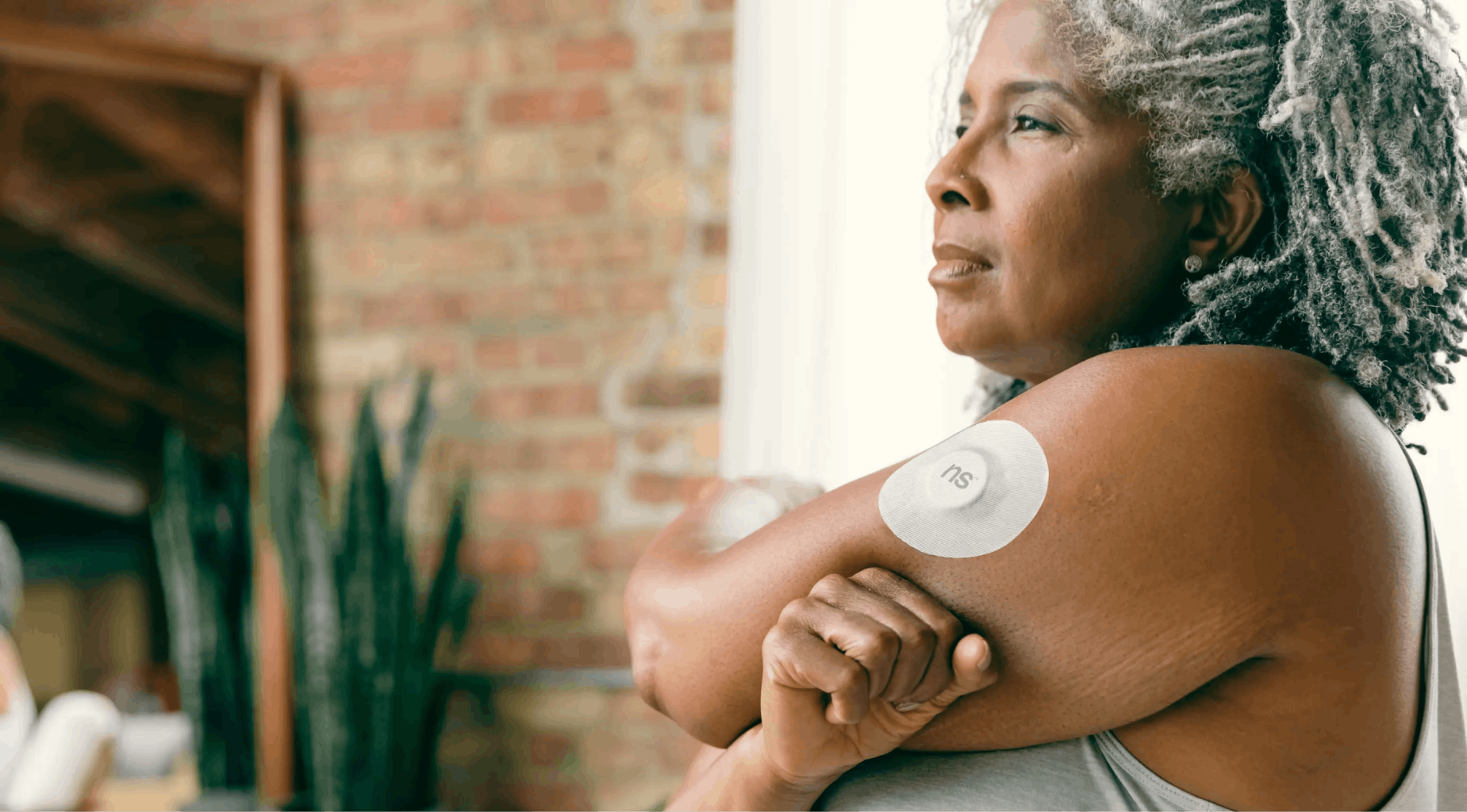
One of the tools that I’ve gotten more interested in the past few years are Continuous Glucose Monitors (aka CGMs). These are patches that can be painlessly applied to the arm and that sync to an app on your phone, providing continuous information about your glucose levels. While they are not 100% accurate, they are close enough to more traditional methods for checking glucose (e.g. fingerstick) to give a pretty close estimate of your blood glucose at any particular moment, and since they can provide hundreds or even thousands of data points per day, can be used to track trends and see patterns.
Dr. Means trained as an ENT surgeon at Stanford University before deciding that our current profit driven sickcare model was the problem, not the solution, for most of the issues she was treating, and that she would rather serve patients in a different capacity. This led her to become a functional medicine practitioner, and later to help found the company Levels, which uses continuous glucose monitors to help people glean insights into their metabolic health and learn how to make improvements therein. Now, she’s written “Good Energy”, which has been on the NY Times bestseller list for the past few months.
If, like me, you came of age in the 1980s and 1990s, you probably don’t remember a time when you weren’t warned to stay out of the sun. The message for the past few decades has been that sun exposure = skin cancer, and that if you absolutely have to go out during daylight hours for more than a nanosecond, to please not do so without first donning sunscreen and a full suit of body armor.
It’s true that excessive sun exposure can cause skin damage and increase the risk of skin cancers. But there’s (pun intended) a wrinkle to this. And that is that limiting sun exposure might also increase your risk of getting lots of other diseases, including heart disease and virtually every other known cancer. I’ll discuss some data about this in a moment, but first I want to just share some thoughts about sun exposure in general: