One of my biggest interests – and one of the most common goals patients have – is weight loss. It’s also a common area of frustration. After all, it SHOULD be a simple thing. Change your diet and move more, right? What could be easier than that? And yet, millions of Americans try this approach every year, and most of the time it fails them. Why?
I bill myself as a “holistically minded” doctor. What I mean by this is not that I have any formal training in “holistic” care – I haven’t, for example, done a course in functional medicine, or in acupuncture. Rather, I have always had the bias that the human body is a wondrous and complex machine about which even we 21st century doctors know very little, and that many health problems can be either averted or healed if the body is simply given the optimal environment and left to do its own thing.
My last post was about the basic biology of insulin resistance and about how it is the underlying root cause of type 2 diabetes, as well as a risk factor in its own right for many diseases.
Today I’m going to answer the question of how to tell if you have insulin resistance.
Tens of millions of Americans suffer from insulin resistance, and most of them don’t even know it. Left unchecked, insulin resistance can lead to heart disease, cancer, dementia, type 2 diabetes, high blood pressure, and lots of other bad health outcomes. But before I can get into explaining how you can know if you have this condition, and what you can do about it if you do, I first need to explain what insulin resistance is.
I was a history major in college, and to this day one of my great interests outside of medicine is learning more about the past. Sometimes I even like to combine these interests by considering whether people of the past have anything to teach us about good health (they certainly have a lot to teach us about bad health in terms of death from things like infection, trauma, and childbirth, but that’s a fairly obvious point that you probably don’t need me to explain in detail).
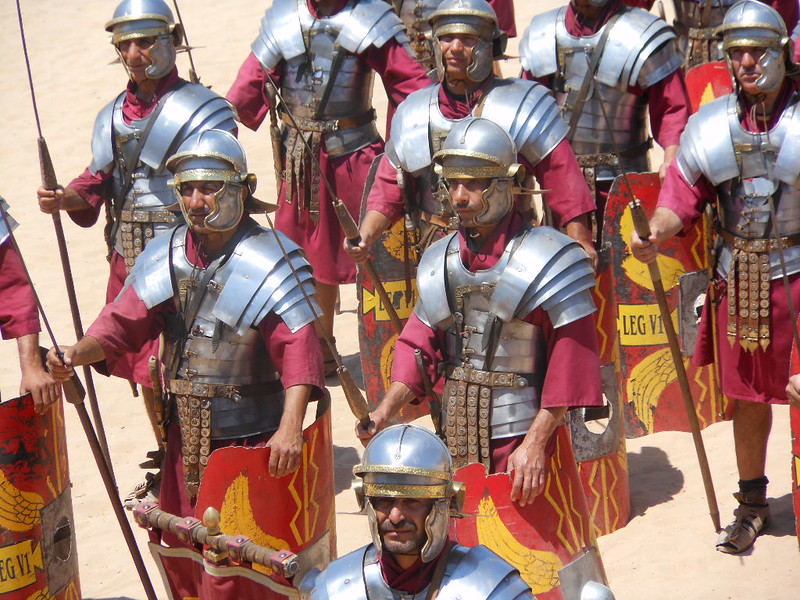
Thus it was that about a year back, I was watching a documentary about the Roman empire and got to wondering: just how exactly did the Romans prepare their soldiers for combat?