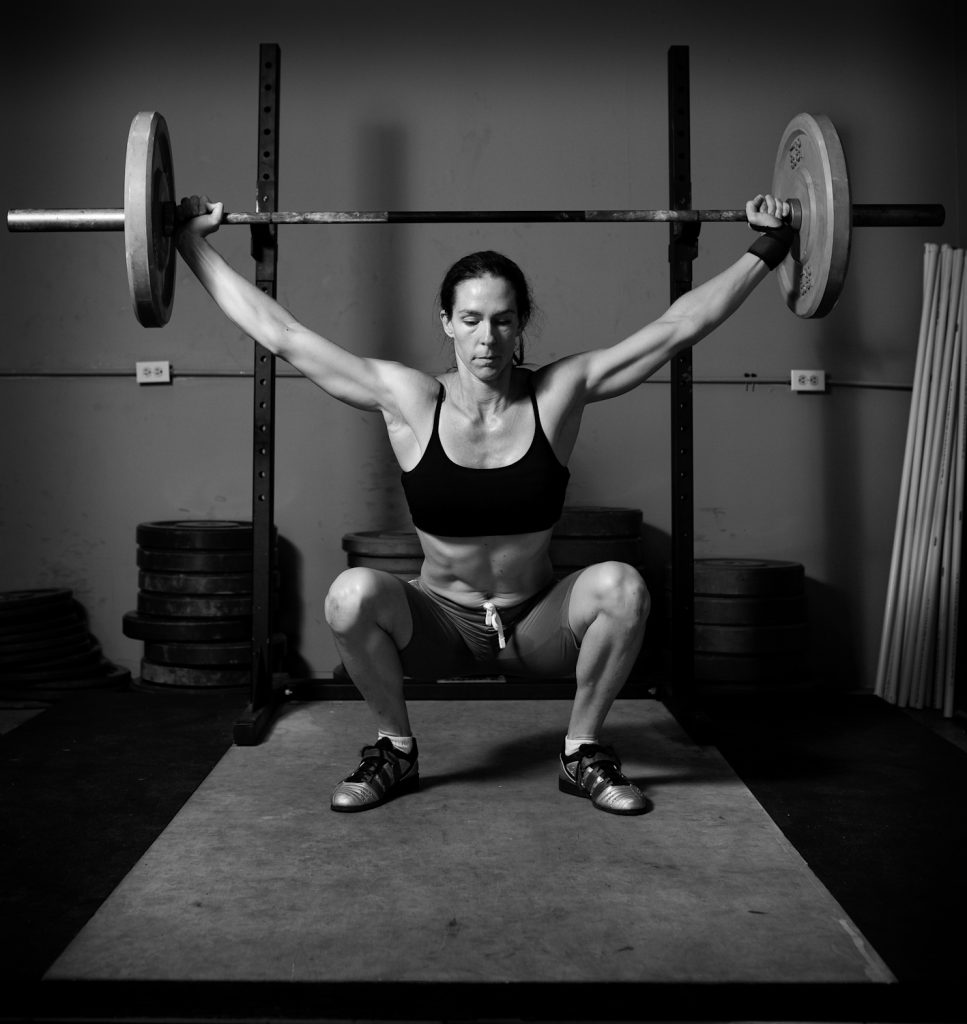
My last post discussed the importance of building muscle for good health and slower aging, and how this in turn requires regular strength training (such as lifting weights, though that is not the only modality for achieving muscle health) and adequate protein intake.
Before moving on from this topic, I want to take a moment to give a special emphasis on this point to any female readers of this blog.
One of the concepts I spend a lot of time talking to my patients about is the importance of maintaining muscle health. The reason for this is that virtually all people start to gradually lose muscle beginning somewhere in their 30s or 40s. At first these changes are barely noticeable, but by the time they are in their 70s many people will experience a huge degradation in their degree of fitness.
This coming Monday, I will be giving a brief talk at the Marion Council on Aging entitled “How To Become a Better Sleeper,” which will piggyback off of my prior series of posts on the topic. The talk should be about half an hour long, with some time for Q&A afterwards. If you are in the area, please feel free to drop in.
Happy New Year! This is the time of year when many people make resolutions, with getting fit being amongst the most common. Of course, research shows that most people quit their new year’s resolutions by around March. So this year, I’d like to suggest you take a different approach: rather than giving yourself overly ambitious goals in the gym, instead learn to bake some very modest but high-yield habits into your life.
While this may not sound as sexy as committing to some kind of “beach body” program, the fact is that with exercise, a little goes a long way. A very long way. To this end, I’d like to highlight two threads of research for you.