The 19th century British statesman Benjamin Disraeli is famously known for the quote (possibly misattributed to him) that “there are three kinds of lies: lies, damned lies, and statistics.”
The wisdom of Disraeli can be seen when analyzing the recent hype over Galleri’s “Grail” test – a “liquid biopsy” that I have covered in a previous post. Grail tests a single blood sample for evidence of over 50 different cancers. The appeal is obvious. It would be wonderful to have a simple blood test every year or so as part of your checkup that can tell you if you have cancer or not and that can greatly increase the odds of early detection and cure.
Unfortunately, despite the hype surrounding the Grail test, this dream is not yet a reality.
This week I want to review a recent study which highlights the link between stress and chronic illness, and opens the door to new treatments for a variety of ailments.
Researchers took 242 patients with severe Rheumatoid Arthritis, and blindly randomized them to either wear a vagal nerve stimulator or else a “sham” device (meaning a vagal nerve stimulator that wasn’t properly working). This way the patients would all think they were wearing a vagal nerve stimulator, and any difference between the two groups could not be attributed simply to a placebo effect.
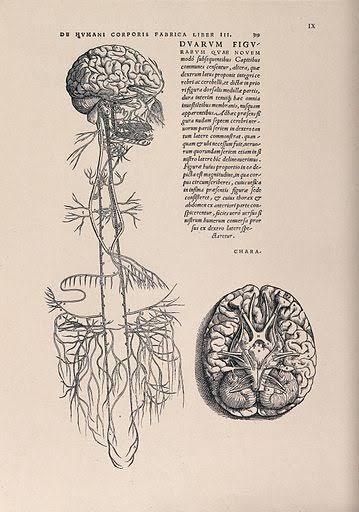
You might be wondering “what the heck is a vagal nerve stimulator?” So before going any further, let me take a diversion to give a bit of background.
Perhaps you’ve heard of the “Blue Zones,” regions that are characterized by long life expectancies and an unusually high number of centenarians. There is some controversy over the accuracy of the Blue Zones data, but the basic idea of the project – try to identify areas where people seem to live longer and better lives and study them to see what we can learn – makes sense. Not surprisingly, the commonalities that residents from the different Blue Zones seem to share include regular physical activity, a traditional diet that is low in processed foods and made up mainly of home cooked meals, and strong family and community ties.
Autumn is almost upon us, and with it, virus season. Over the next few months, we’ll see a steady rise in cases of colds, flu, COVID, and bronchitis. Fortunately, these common viral conditions rarely cause death or serious harm. Unfortunately, none of them have a cure, and treatment consists mainly of waiting for things to run their course and be fought off by our own immune systems.
While a common cold is not a life threatening event, it can certainly be a miserable experience, and patients frequently ask me what they can take to help. Therefore I did some research on this topic and am creating this post as a useful reference.
To give you a straightforward punchline, here are three evidence-backed treatments for common winter viral infections such as cold and flu:
Researchers had over 11,000 participants wear a light sensor during sleep for one week, and recorded how much light the subjects were exposed to overnight. Then they did two things:
They performed a cardiac MRI on each person 3 years later
They also followed the participants for a full decade, recording how many suffered cardiovascular events such as heart attacks, strokes, atrial fibrillation, congestive heart failure, and cardiac related death.
A little over a year ago, I posted my thoughts on GLP-1 agonist medications (that’s things like Ozempic, Wegovy, Mounjaro, and Zepbound). In all, I offered some serious criticisms and concerns of these medication. You can read my initial post by clicking here.
I want to return to the topic of GLP-1 medications today, because since that post my thinking on these medications has evolved. That’s not because I’ve changed my philosophy. I still have many of the concerns that I outlined in my initial post. However, science constantly makes new discoveries, and it’s a professional obligation of mine to keep an open mind and evaluate new pieces of data as they come in, constantly weighing the risks versus the benefits of various treatments.
The fact is that over the past year, a string of new studies have come out suggesting that there may be far more benefits to GLP-1 medications than were previously realized. I’ll briefly touch on just a few here: