1-508-719-9605
345 Front St., Suite 1, Marion, Massachusetts 02738
info@drfischermd.com
Dr. Fischer, MD
  • Home
  • Bio
  • Services & Pricing
  • Direct Primary Care
  • FAQ
  • Blog
  • Contact Us
Home Dementia Good News – With Some Caveats – About Alzheimer’s Disease
5Aug

Good News – With Some Caveats – About Alzheimer’s Disease

by Joshua Fischer

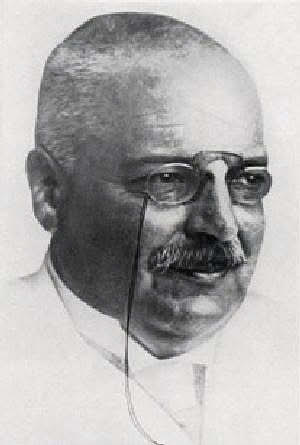
Dr. Alois Alzheimer, discoverer of Alzheimer’s Disease, c. 1910

A new study shows that intensive lifestyle intervention might be able to halt the progression of early-stage Alzheimer’s disease. 

In the study, the famed Dr. Dean Ornish (who is best known for a 1990 study that used a similar intervention to reduce heart attack risk) at the University of California San Francisco took patients with early-stage dementia and divided them into a control group (who didn’t do anything in particular) and a study group who received an intensive lifestyle intervention that consisted of:

  • A low-fat vegan diet
  • Regular meditation and yoga for stress reduction
  • Daily “cardio” type exercise
  • Prioritizing good quality sleep

The results after 40 weeks were that the people in the control group got worse (as expected), whereas in the people receiving the intervention, 46% improved and 37% stabilized on a series of cognitive tests. Put another way, 83% of people doing the lifestyle program did a lot better than the people not doing the lifestyle program. 

As with any study, there are some limitations to this one. But before I get into those let me just highlight a few things about this study that I think are really great:

  • This study adds to a few other studies that show lifestyle changes can be helpful for slowing cognitive decline. The fact that this finding seems to be repeatable across several studies strongly suggests that there really is something to it.
  • Intuitively, it makes sense that improved diet, exercise, sleep, and stress reduction would be beneficial for the brain, since there is robust evidence for all of those interventions in many other chronic conditions. As a general rule, when a study’s results make sense, they are much more believable. 
  • We don’t have a lot of good treatment options for dementia, so even though this intervention is not a panacea (more on that momentarily), finding anything that might be helpful is a wonderful bit of news.
  • Finally, there are really no downsides to adopting a healthier lifestyle. If a person were to eat healthier, exercise more, and manage their stress better, the only “side effects” might be things like losing some weight, reducing risk for heart disease and diabetes, and so forth. If you have early stage cognitive issues and try the intervention in the study the “worst case scenario” is that your memory will not be helped but you will in other ways become healthier. 

On a further point, this study took people who ALREADY had evidence of early-stage Alzheimer’s and showed improvements. While we can’t say for certain, it’s very likely that a similar intervention would be even more powerful for PREVENTING dementia from happening in the first place, since diseases are almost always easier to prevent than to cure. In other words, a healthy person in their 20s, 30s, or 40s who started implementing the methods in this study would probably reduce their risk for developing dementia later in life. 

So in all, I think this study offers a real ray of hope. With that said, it’s way too soon to gloat about the results, so let’s discuss the limitations:

  • This was a relatively small study with only 26 participants. Small studies are always less trustworthy than large ones for the same reason that if you flip a dime 5 times and it always lands on heads, that probably is just a coincidence, whereas if you flip it 5,000 times and it always lands on heads, you can be pretty confident that you are holding a loaded coin. In real life, weird things happen all the time, and some patients with a diagnosis of dementia don’t progress very rapidly. It’s only when they happen a lot that you can be sure you didn’t just happen to stumble upon a group of people who had a slow moving form of dementia. Ergo, I would love to see this study repeated with at least a few hundred participants, rather than just 26. 
  • 17% of the participants did get worse, despite the intervention, and 37% only achieved stabilization, so in the best-case scenario, this is still not a cure-all. Less than half of patients actually improved. 
  • The study was 40 weeks long. It’s great that a substantial number of the participants did better during those 40 weeks, but what will happen to them over the coming year? Two years? 10 years? We don’t know yet. But there’s a good chance that it won’t be anything good. Data showing that the effects could be experienced over a prolonged period of time would be really reassuring. 
  • The folks in the study put in a LOT of time doing exercise and stress reduction work. How many people who are not enrolled in a structured program and who face the real life challenges of work, family commitments, and so forth would be able to sustain such efforts? 
  • On the topic of effort, a notable trend in the study was that the subjects who participated most actively in the program had the best results. One way to look at that is a positive one: the program works so well that, the more it is used, the better the outcome. But another way to view this finding is a more skeptical one, and that is to assume that the people who were least impacted by their illness and had the least severe form of the disease were most able to participate, since apathy and difficulty staying on task are common symptoms of early dementia. Ergo, did the lifestyle intervention help people’s memory, or in a weird way did it select out the people who were already going to do better? 
  • Finally, as with Dr. Ornish’s famous heart study, the participants got a full-court press of interventions. Therefore, it is impossible to tease out which parts of the intervention had the most benefit. Was it the mediation? Yoga? Daily cardiovascular exercise? The vegan diet? Better sleep? We wouldn’t be able to know unless the study was repeated with each of these interventions in isolation. 

In sum: I think this study offers some real (and rarely found) hope in the world of dementia, and since there are very few downsides to trying the intervention that Dr. Ornish has devised, it might be worth adopting at least some of these lifestyle habits if you have, or are worried about eventually having, dementia. 

But we really need much more research before stating that this particular intervention – or any lifestyle intervention for that matter – can dramatically impact Alzheimer’s outcomes.

Categories:
Categories
  • Dementia
  • Medical Topics
  • Metabolic Health
  • Study Reviews

Post navigation

Previous Post Bad Study Alert: Olive Oil Makes You Fat! (No, It Doesn’t)
Next Post Summer Vacation: Aug 11-22

Categories

  • Direct Primary Care
  • Tests
  • Nutrition
  • Weight Loss
  • Roman
  • Exercise
  • Insulin Resistance
  • Metabolic Health
  • Holistic Medicine
  • Red Light
  • Sleep
  • Back Pain
  • Study Reviews
  • Cholesterol
  • Social Commentary
  • Book and Film Reviews
  • Microbiome
  • Circadian Health
  • Medical Topics
  • Temperature Exposure
  • Dementia
  • Osteoporosis
  • Cancer
  • Good Podcast Episodes
  • Supplements
  • How To Read Medical Studies

Date Posts

August 2026
M T W T F S S
 12
3456789
10111213141516
17181920212223
24252627282930
31  
« Jul    

Recent Posts

What is Direct Primary Care and How Does it Lead to Better Care?

What is Direct Primary Care and How Does it Lead to Better Care?

February 26, 2024

Leg Strength = Brain Strength

August 24, 2026

Mental Health Is Metabolic Health (Good Podcast and Study Review)

August 18, 2026

New Research on Alzheimer’s and p-Tau217

August 11, 2026

Anthony Fauci: National Rorschach Test

August 4, 2026

Senobi Breathing for Weight Loss

July 26, 2026

Some Good News (With a Caveat or Two) On US Life Expectancy

July 14, 2026

Happy Fourth of July!

July 4, 2026

Vacation: June 18th-July 5

June 16, 2026

Understanding How to Read Medical Studies: What Outcome Really Matters? (And Thoughts on Cholesterol and Xanthelasmas)

June 9, 2026

How To Optimize Coffee for Weight Loss

June 2, 2026

The Rosetto Effect

May 26, 2026

Don’t Panic: 2026 Will Not Be Like 2020

May 19, 2026

A Case Study in Health Tribalism: Or How To Be Close-Minded in the Name of Being Enlightened

May 12, 2026

The Nine Lives of Aspirin

May 5, 2026

Study and Supplement Review: Resistant Starch

April 28, 2026

Vacation Week

April 20, 2026

Can Intermittent Fasting Fight Cancer? 

April 14, 2026

The Best Exercise For Blood Pressure

April 7, 2026

Update on “The Cholesterol Code” Film

March 31, 2026

More Thoughts on Cholesterol, Disease of Civilization, and a Historical Perspective on Medicine

March 24, 2026

Thoughts on Statins and More Bad Reporting

March 17, 2026

Understanding How to Read Medical Studies: Relative Risk, Absolute Risk, and Number Needed to Treat (NNT)

March 10, 2026

Intermittent Fasting and Crohn’s Disease

March 3, 2026

Some Inspiration From Spain

February 25, 2026

Updated Thoughts on the Keto-CTA Study

February 17, 2026

Film Screening: “The Cholesterol Code” April 13th at AMC 11 Dartmouth Mall

February 9, 2026

High Intensity Interval Training (HIIT) Is Great For Your Heart

February 3, 2026

Understanding How To Read Medical Studies: “Power” 

January 27, 2026

NAD+ Part 2

January 20, 2026

NAD+ Part 1

January 13, 2026

The Overdiagnosis Crisis

January 6, 2026

End of Year Thoughts

December 16, 2025

Are Liquid Biopsies The Future Of Cancer Detection?

December 9, 2025

Coronary Artery Calcium Scores, Physical Fitness, and How Not To Die

December 2, 2025

Happy Thanksgiving

November 25, 2025

RFK, MAHA, Saturated Fat, and the Media

November 18, 2025

The Doctor Won’t See You Now

November 11, 2025

Random Thoughts on Serena Williams, Ro, and Ozempic

November 4, 2025

Bad Study Of The Week: Lead and Protein Powder

October 28, 2025

Medical Testing Can Sometimes Be Harmful – Part 2

October 21, 2025

Medical Tests Can Sometimes Be Harmful – Part 1

October 14, 2025

This Is Your Brain On Lithium

October 7, 2025

A Good Podcast Episode About Sleep

September 30, 2025

A Long and Rambling Post on Loneliness, Wine, Europe, Health, Charlie Kirk, and the Impossibility of Medical Certainty

September 23, 2025

Exercise and Visceral Fat: 

September 16, 2025

Free Esophageal Cancer Screening

September 9, 2025

The Roman Diet

September 2, 2025

Prunes, Prunes – They’re Good For Your Bones

August 26, 2025

Summer Vacation: Aug 11-22

August 8, 2025

Good News – With Some Caveats – About Alzheimer’s Disease

August 5, 2025

Bad Study Alert: Olive Oil Makes You Fat! (No, It Doesn’t)

July 29, 2025

The Fountain of Youth

July 22, 2025

My Thoughts on Ozempic/Wegovy/Etc

July 15, 2025

The Primary Care Crisis in Massachusetts

July 8, 2025

No, Bottled Water is NOT Better For You

July 1, 2025

Farmer/Suitcase Carries

June 24, 2025

Dr. Fischer, MD – Now Licensed in Three States!

June 17, 2025

No, Protein Is Not Bad For Your kidneys

June 10, 2025

The Connection Between Arthritis and Metabolic Health

June 3, 2025

Type 2 Diabetes Is a Curable Illness

May 27, 2025

Part 3: Is the Keto Diet Bad For Your Heart? 

May 20, 2025

Saunas Are Great For You

May 13, 2025

Thoughts On Intermittent Fasting

May 6, 2025

The Wisdom Of Humor

April 29, 2025

On Health Ideas as Religion, and Being Humble

April 15, 2025

Dance Your Way To Better Health

April 8, 2025

Personal Fat Threshold

April 1, 2025

Bad Study Review: Butter v. Plant Oil

March 25, 2025

Happy St. Patricks’ Day – A Nice Story From Ireland

March 17, 2025

Further Thoughts on COVID, Vaccines, and The Need For Us All To Be More Open Minded and Less Tribal

March 11, 2025

On COVID Vaccines, and the Vanishing Middle Ground

March 4, 2025

We Are Weaker Than Our Grandparents Were

February 25, 2025

Thoughts on Veganism

February 17, 2025

Happy Birthday To Us

February 11, 2025

Tamiflu is Not Your Friend

February 4, 2025

The Importance of Strength Training for Women 

January 29, 2025

How Muscle Is Like Your Bank Account

January 21, 2025

Attention Insomniacs! Lecture at Marion Council On Aging Monday January 14th at 1pm

January 11, 2025

New Year’s Resolutions and Getting More Fit in 2025

January 7, 2025

Happy Holidays!

December 20, 2024

Continuous Glucose Monitors (CGMs) Are Available Over The Counter!

December 17, 2024

Book Review: Good Energy by Dr. Casey Means

December 10, 2024

We Need a Little Sunshine

December 3, 2024

Thanksgiving with Dr. Reginald Bittermilk

November 26, 2024

Practice Medicine by Subtraction, Not Addition

November 19, 2024

100!

November 12, 2024

Some Thoughts on Election Day 

November 5, 2024

How To Age Your Heart In Reverse 

October 29, 2024

Just How Harmful Is Alcohol? 

October 22, 2024

The New York Times Might Drive Us To Drink!

October 15, 2024

Film Review: Hack Your Health, on Netflix

October 8, 2024

Why Is Life Expectancy Falling?

October 2, 2024

Some Thoughts on Cholesterol

September 25, 2024

Part 2: Is The Keto Diet Bad For Your Heart?

September 17, 2024

Part 1: Is The Keto Diet Bad For Your Heart?

September 10, 2024

Bad Study Alert: Protein, Heart Disease, and the Academic-Media Complex

September 5, 2024

Bad Study of the Week

August 27, 2024

Some Thoughts on Back Pain

August 22, 2024

Vacation Information

August 3, 2024

Health Insurance Does Not Equal Healthcare Does Not Equal Health

July 31, 2024

Notes from my files – case studies in DPC

July 24, 2024
My Recent Podcast Interview

My Recent Podcast Interview

July 18, 2024

What Is the Best Diet?

July 10, 2024

The Corruption of Medicine Part 2: The Academic-Media Complex

July 2, 2024

EXTRA! EXTRA! READ ALL ABOUT IT!

June 28, 2024

The Corruption of Modern Medicine Part 1: The Faking of Data

June 25, 2024

Some Thoughts on that Infernal Jardiance Ad

June 20, 2024

Book Recommendation: Outlive by Peter Attia

June 18, 2024

Open House on Sunday June 30

June 13, 2024

Insomnia Part 5: How to Stay Asleep

June 6, 2024

Insomnia Part Four: What Pavlov Can Teach You About Sleep

May 29, 2024

Insomnia Part Three: The Sun and the Moon

May 21, 2024

Insomnia Part Two: How Sleeping is Like Playing Baseball

May 14, 2024

Insomnia Part One: Just How Bad Is Your Sleep, Anyway?

May 9, 2024

Yes, But What Are Processed Foods Anyway?

May 2, 2024

The Importance of Eating Naturally

April 30, 2024

The Importance of Dietary Protein  

April 25, 2024

Introducing Our Red Light Device

April 23, 2024

Vacation Week!

April 15, 2024

Styku Is Here!

April 12, 2024

Our Healthcare System is inhuman(e)

April 9, 2024

The Robber Baron and Circadian Biology

April 5, 2024

Three Studies That (Should) Blow Your Mind About Weight Loss

April 2, 2024

The Holistic Approach to Weight Loss

March 29, 2024

Why is a Holistic Approach to Medical Care Good for Patients?

March 26, 2024

Insulin Resistance Part 3 – How To Cure It

March 22, 2024

Insulin Resistance Part 2 – How To Diagnose It

March 20, 2024

Insulin Resistance Part 1 – What Is It?

March 19, 2024

How To Train Like a Roman

March 15, 2024

What My Coffee Machine Can Tell You About My Practice

March 12, 2024

My Lecture On Nutrition, Weight Loss, and Joint Health

March 7, 2024

 Tests You Should Have – But (Probably) Haven’t

March 4, 2024

Archives

  • August 2026
  • July 2026
  • June 2026
  • May 2026
  • April 2026
  • March 2026
  • February 2026
  • January 2026
  • December 2025
  • November 2025
  • October 2025
  • September 2025
  • August 2025
  • July 2025
  • June 2025
  • May 2025
  • April 2025
  • March 2025
  • February 2025
  • January 2025
  • December 2024
  • November 2024
  • October 2024
  • September 2024
  • August 2024
  • July 2024
  • June 2024
  • May 2024
  • April 2024
  • March 2024
  • February 2024

Quick Links

Bio

Direct Primary Care

Service & Pricing

Contact Us

Listen & Learn

Contact Info

  • 345 Front St., Suite 1, Marion, Massachusetts 02738
    Get directions on the map
  • Phone: 1-508-719-9605
    Fax: 508-905-8129
  • info@drfischermd.com
Copyright © 2024 Joshua Fischer, MD
   508-719-9605