One of the tools that I’ve gotten more interested in the past few years are Continuous Glucose Monitors (aka CGMs). These are patches that can be painlessly applied to the arm and that sync to an app on your phone, providing continuous information about your glucose levels. While they are not 100% accurate, they are close enough to more traditional methods for checking glucose (e.g. fingerstick) to give a pretty close estimate of your blood glucose at any particular moment, and since they can provide hundreds or even thousands of data points per day, can be used to track trends and see patterns.
In my last post, I reviewed some of the background on how and why cholesterol came to be viewed as a risk factor for heart disease, and how this creates a clinical conundrum for those who go on a low-carb diet and see a big rise in their LDL (the “bad”) cholesterol but see every other aspect of their health improve. I discussed how there is a paucity of research on this particular population of patients and, hence, a lot of controversy about this topic. Then I introduced the work of Dave Feldman, a software engineer and internet personality who has been leading a grass roots research effort into this very topic. And I reviewed how Dave has proposed that maybe – just possibly – the metabolism of people on low-carb/keto diets is so different from that of a person following a more typical diet that cholesterol simply doesn’t behave the same way in their bodies, and hence the research we have until now suggesting that high cholesterol is a risk factor for heart disease might not apply to them.
I’m going to spend the rest of this post discussing a fascinating study that Dave and his colleagues just published which attempts to shed some light on this question. But first, let me stress that all of this remains theoretical, and – spoiler alert – we still do not know if having severely high levels of cholesterol due to a low-carb/keto type of diet is safe. One study does not a fact make, and most doctors would advise continued caution in this area. And while I do feel that the obsession on cholesterol and its treatment has had some real downsides (by emphasizing a laser focus on this one risk factor, while far more important risk factors such as metabolic syndrome/insulin resistance get ignored), it’s only fair to admit that there are still many, many, papers out there showing that – on a population level – there is a strong link between elevated cholesterol and cardiovascular disease risk. Please keep that in mind as you read the rest of this.
So annoying, in fact, that I googled it, and found out that there’s a whole culture of people out there who find the ad equally repellent. Many, unfortunately, have commented on the size of the main actress, and the backlash against the backlash against the commercial (isn’t everything in America these days a backlash against a backlash?) is that the haters of the commercial are simply “fat shaming” the actress. So let me state right off the bat that indeed, fat shaming is a horrible thing, and my objection to the commercial has nothing to do with the fact that the lead actress is overweight.
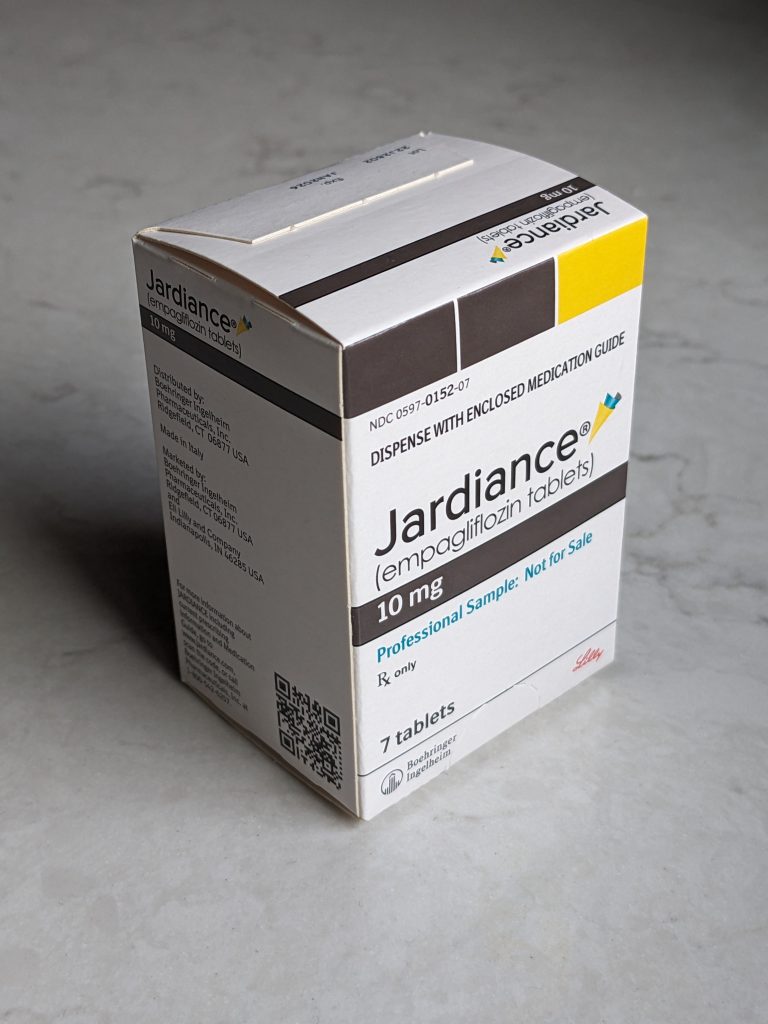
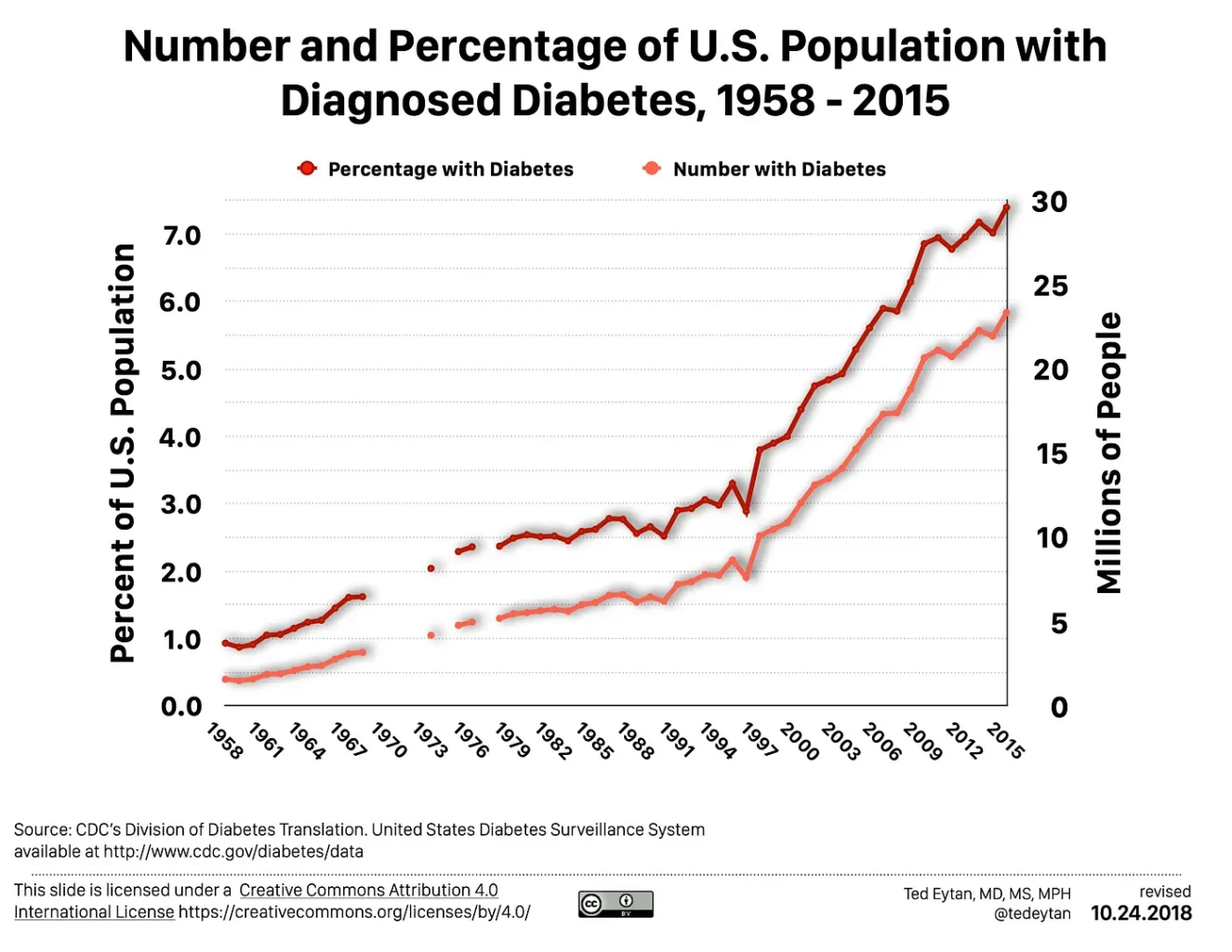
Rather, what really irritates me about the commercial (other than the cloyingly obnoxious jingle) is that it perpetuates the great pharmaceutical lie about type 2 diabetes: namely, that it’s an incurable disease that is best controlled with medication. Nothing could be further from the truth. The fact is that type 2 diabetes is often curable, and almost always manageable, with lifestyle modification, and – provided they make the correct changes – many type 2 diabetics don’t require any medication at all.
I am proud to announce that, several months after ordering it, our Styku body composition scanner arrived last week and is now operational. Starting immediately, my patients can regularly have painless, non-invasive, radiation free body scans here in the office that will provide them with key information about their metabolic health and their risk for developing chronic diseases such as diabetes, hypertension, and cancer, as well as feedback about weight loss and fitness efforts.
My last post was about the basic biology of insulin resistance and about how it is the underlying root cause of type 2 diabetes, as well as a risk factor in its own right for many diseases.
Today I’m going to answer the question of how to tell if you have insulin resistance.