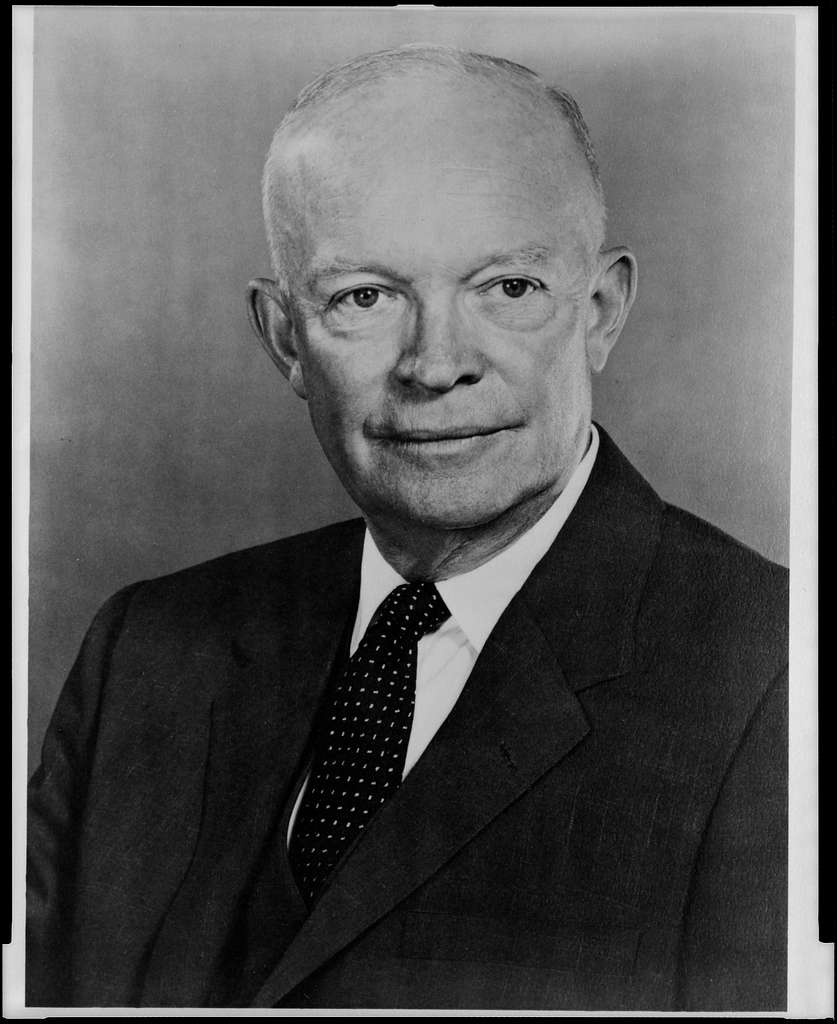
Just before leaving office at the end of his second term, President Dwight Eisenhower gave a speech in which he famously warned of the “military-industrial complex.” By this he meant that having large military budgets year after year was creating a powerful class of business interests who viewed the American military not simply as an institution vital to national security, but rather as a source of their own financial profits, and would hence forever exert pressure on the US government to increase military spending, regardless of whether it was otherwise appropriate to do so. This critique – which was shocking at the time – in retrospect seems rather obvious. Most observers of the US government now agree that there is an important interplay between the congress, the military, and the armaments industry, and the idea of a “military-industrial complex” is widely taken for granted.
Sadly, I see many parallels to the military-industrial complex in America’s modern medical system. Such as the way that pharmaceutical companies give generous donations to congressional members, who then pass legislation that is favorable to those companies. Or how the regulators of the pharmaceutical industry often obtain plum jobs with the pharmaceutical companies once they leave government, thus giving them an incentive while in office to “play nice” with them. Or how a small cadre of doctors sit atop the leadership at places like the NIH, controlling where grant money for research will go, thus creating an environment in which research that counters those doctors’ preferred ideas or theories is much less likely to receive funding.
But I want to talk about one such “complex” that particularly irks me, which I hereby will call the “academic-media complex.”