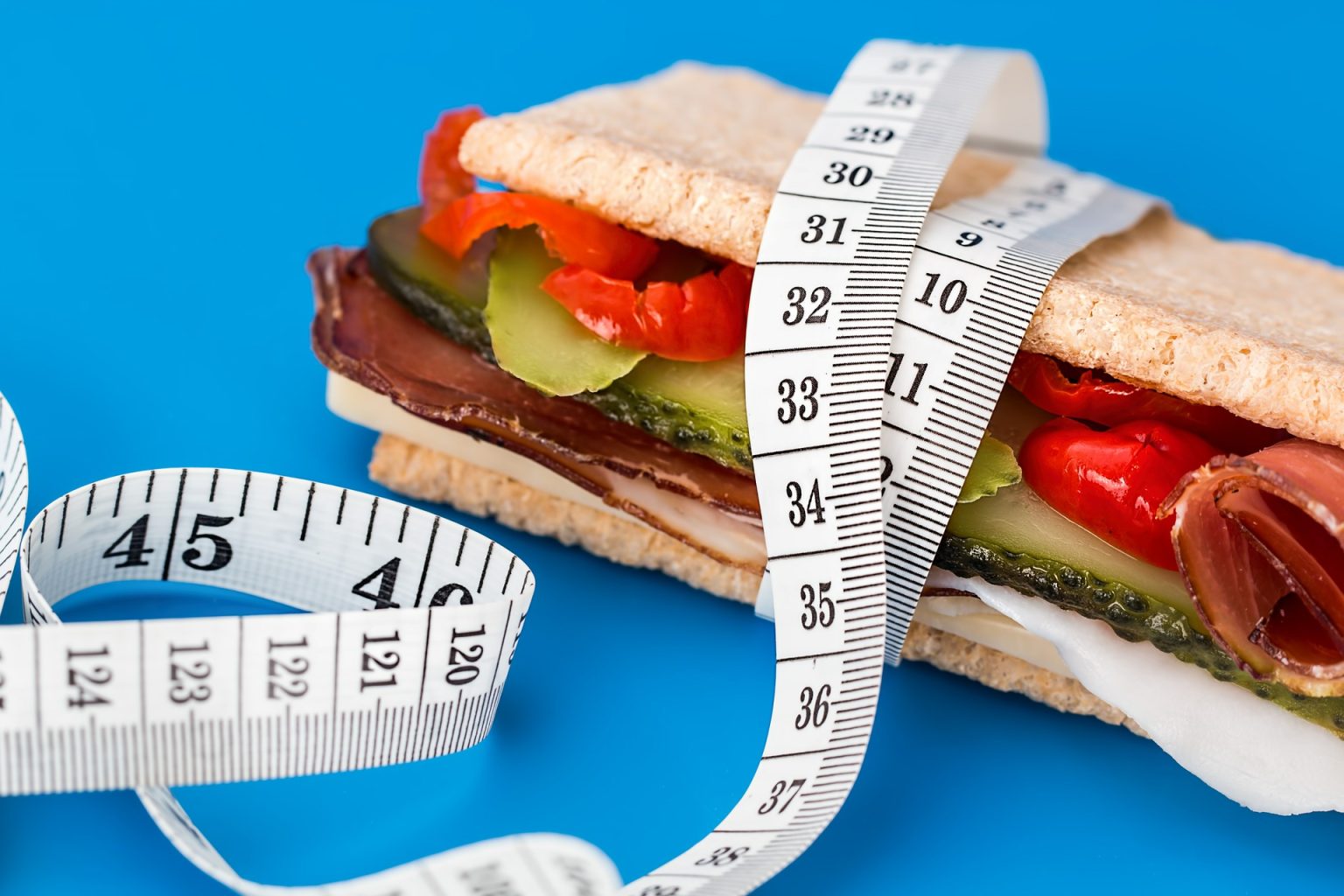
Many patients want to lose weight, either for health or aesthetics reasons, and the question of “what’s the best diet?” is one I’m asked frequently.
I’ve evolved my thinking on this in my years in practice. When I first started out, I used to recommend low-carb diets very frequently. And indeed, low-carb diets can work amazingly well. Both in numerous studies and in my experience with patients, there are a wide variety of low-carb diets (Keto, atkins, paleo, etc) that often work wonders. I still think that these diets are a great way to go for many people.
But I’ve also seen plenty of countervailing studies and patients, with the most obvious example being those folks who go onto a high-carb vegetarian/vegan diet and also see terrific results.
Given this, when I’m asked about the best diet, my quickest answer is to advise people to follow the diet that they feel they are most likely to enjoy and be able to stick to. Even if, hypothetically, there was one particular diet that truly worked best with your unique biology, it would be of little use if you hated it and burned out on doing it after just a few weeks.
But my real answer goes even a step further: you don’t need to follow a rigid “diet” at all. Rather, it’s often easier and more sustainable to adopt specific lifestyle principles that you can stick to indefinitely. What are these principles?
There are too many to review in a single post. But there’s a short list of very high yield ones. If you look carefully at this list, you’ll notice that many of the most popular and successful diets adhere to these principles. For example, a person following a vegan diet and a person following the paleo diet might not seem to have much in common at first glance, but on closer inspection, both are likely eating less processed food and more fiber than is found in the typical American diet – and these are two of the habits that are most consistently associated with weight loss success.
Indeed, any long-term successful diet is likely to follow most if not all of the following three principles:
More fiber – fiber is low calorie, and very filling. It also feeds our gut microbiome, which are the healthy bacteria that live in our gut and which are linked to better weight, better health, and better longevity. In keeping with principle number one above though, it’s important to get your fiber from whole natural foods, not from processed foods or supplements. This means fruits, vegetables, legumes, and whole grains, not “high fiber” cereals or breads that are in fact processed junk food with fiber added.
More protein – protein is the most satiating macronutrient per calorie. It’s also the most metabolically demanding nutrient to ingest, with up to 30% of it being burned up just in the process of digestion (by contrast, only 10% of the calories from carbohydrates are burned up in digestion, and just 3% from fats), meaning that 100 calories of protein consumed is likely closer to 70 calories by the time your body gets through digesting it. And finally, protein supports muscle tissue, which is metabolically active and helps with weight loss and blood sugar control (as well as having a more aesthetic appearance). So when you eat more protein, good things tend to happen.
To my mind, any “diet” that incorporates the above three principles will lead to good health and easier weight loss compared to somebody who is currently eating the standard American diet (which is mostly processed junk food that is low in fiber and protein). If you are following the above three principles, I don’t care if you are a vegetarian, a carnivore, or an omnivore – you are hitting the key points, and you are already on the right track. Before you get bogged down in the details of whether your diet includes meat or doesn’t, or whether it’s low carb versus low fat, make sure your eating patterns adhere to the above three points as much as possible.
Does that mean that everybody who follows the above three principles will have perfect health, six pack abs and a “beach body?” No. But they’ll almost certainly be comparatively leaner and healthier than the average person. And if a “beach body” is their goal, they will have laid a good foundation toward achieving it.