In case you’ve never heard of it, Freakonomics is a sometimes interesting project co-founded by a University of Chicago economist and a New York Times reporter. Starting with a book by the same title in 2005, the pair have built a mini-empire of books, podcasts, and an NPR show, all examining facets of everyday life through the lens of an economist. (The original book, for example, looked at topics such as the incentives for public school teachers to sometimes help their students cheat on standardized tests, how people’s names can affect their odds of success in life, and the economic hierarchy of drug gangs in inner city Chicago).
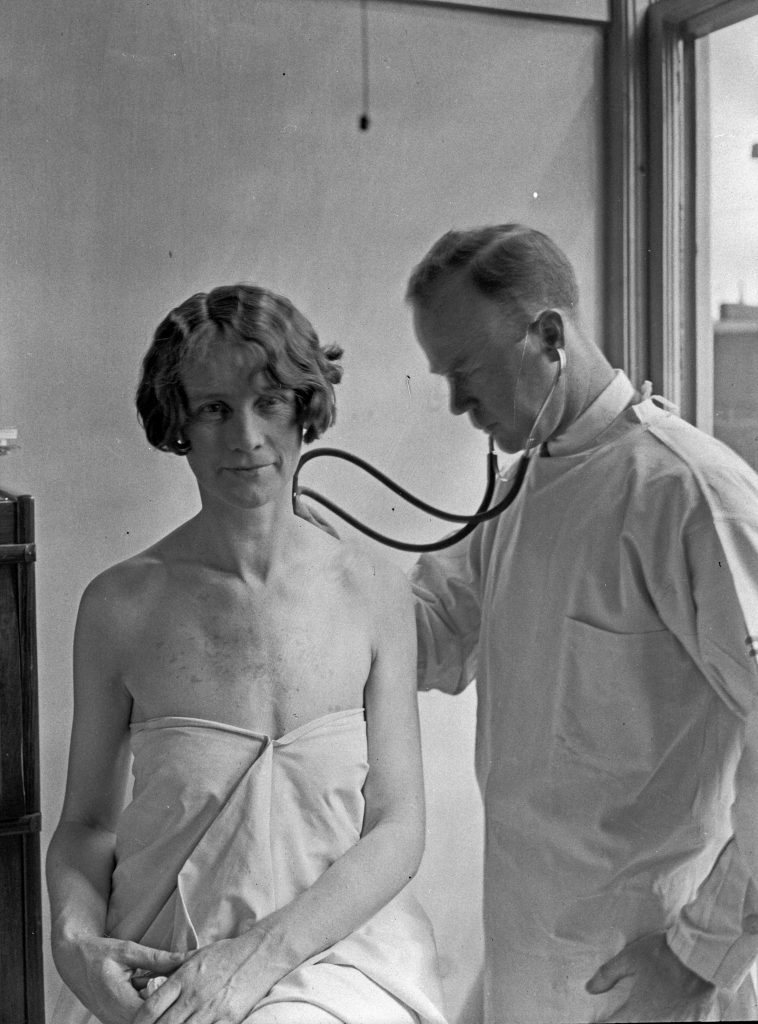
This past week, Freakonomics had an episode on the causes of the current physician shortage. Do they do full justice to the topic? No, I don’t believe they do – but probably nobody could in just a one hour radio show. They spend a lot of time looking at the history of why we don’t have enough medical schools in the United States (certainly an important topic) and not enough, in my opinion, looking into how many work hours a typical physician is forced to waste navigating bureaucracy rather than focusing on patient care, and the generally demoralized and unhappy attitude that prevails amongst physicians, and which has led to an exodus from the field.
Nonetheless, it’s a reasonably interesting and informative episode, and if you want to know why it’s so hard to find a physician these days, you could do worse than listening to it, which you can do by clicking here: