In my last two posts (click here and here if you haven’t read them yet), I discussed some tips for developing the correct mindset towards sleep and to lessen the anxiety about sleep that is usually at the root of insomnia. If you suffer from chronic poor sleep, it’s really worth re-reading these posts and internalizing them before going further. With that said, today I’m going to change directions and start talking about steps you can take to actually start sleeping better.
There are many such tips, and I will not be able to cover them all on my blog. But I would start by giving what I have found to be the single highest yield advice for sleeping correctly, and that is to master your light environment.
There are a lot of factors that regulate our sleep, but one of the most important is our hormones. Two hormones in particular play a key role.
First, we are supposed to get a surge of the hormone cortisol early in the morning. This helps our body to wake up. And secondly, in the evening our cortisol levels are supposed to drop, and we should get a surge of melatonin. This makes us feel sleepy. (Melatonin of course is a popular supplement that many people take to help them sleep. But our bodies in fact make melatonin, and if you are doing things correctly, a supplement of melatonin should really not be necessary).
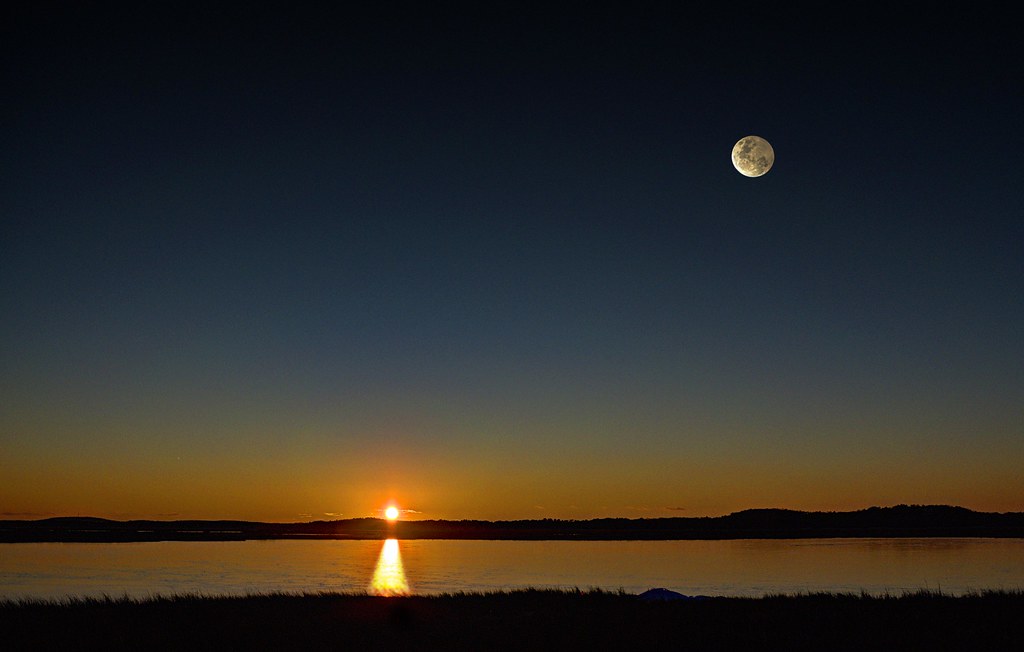
What are the environmental cues that signal our bodies to make these hormonal changes? The most important ones involve light. Specifically, morning sunlight signals our body to make cortisol and suppresses melatonin. By contrast, the light of the setting sun and then the darkness of the evening signal a drop in cortisol and a surge of melatonin.
As an aside, I’ve found that when evaluating almost any health problem, it’s useful to consider whether the problem might be, at least in part, that we are living radically different lives than our pre-modern ancestors. Insomnia is one such area in which this lens of “ancestral health” is particularly useful. In pre-modern times, humans had a tight relationship to the natural light/dark cycles of the earth. A caveman, a farmer in colonial America, or a solider in ancient Rome, for example, would have typically awakened with the sunrise and gone to bed shortly after sunset in near total darkness. And indeed, insomnia seems to have been a rare phenomenon prior to the industrial revolution. Even today, anthropologists find insomnia to be nearly unknown in non-industrialized nations.
Here in 21st century America however, things are quite different. We have lightbulbs that let us work or socialize late into the night, if desired. We frequently entertain ourselves after dark with televisions, computers, cell phones, and other sources of artificial light. By contrast, many people spend their entire day working indoors, getting little if any exposure to the natural sun. So instead of following the pattern of our ancestors of getting abundant natural light during the day and near total darkness at night, we have flipped to almost the complete opposite.
It really should come as no surprise then that so many people in the industrialized world complain of poor sleep. I am not suggesting that our dysregulated light/dark exposure is the ONLY contributing factor to insomnia. But it is a major one. It also happens to be one that can be easily fixed and that in my experience often brings rapid sleep improvements.
What then do I specifically recommend? Two steps. First, re-establish your daytime connection to the sun. And secondly, re-establish your evening relationship with darkness.
To re-establish your connection to daytime sunlight, try to wake up at around the same time every day (so as to set a consistent circadian rhythm, which I discussed in a previous post). And then, crucially, get outside for at least five to ten minutes. You can sit on your back deck and have a coffee, go for a run, take your dog for a walk, or whatever else you want to do with this time, but get outside. Don’t wear glasses or sunglasses during this period, as the most sensitive receptors to sunlight are located in your eye, and it’s the exposure of your eye to the natural morning sunlight that helps the most (needless to say, do not stare directly into the sun! You don’t need to LOOK at the morning sunlight, just be exposed to it). Studies show that, even on a cloudy/rainy/snowy day, the amount of sunlight that your body experiences when outside is thousands of times more powerful than what can be experienced through a window. Many studies have also found that simply spending a few minutes outdoors each morning can lead to much better sleep, because it helps your body make its morning surge of cortisol and also primes the body (via your circadian rhythm) to reduce cortisol levels and create the needed evening melatonin surge later in the day. So commit to making at least a few minutes of outdoor time shortly after waking part of your daily ritual.
If you can spend more time outdoors during the morning (or any part of the day), that can only help. There is a direct correlation between how much daylight a person experiences and their odds of having a good night of sleep. But even a few minutes in the morning can make a dramatic difference, so don’t let your job, your kids, or whatever other obstacles to better health you have in your life get in the way of this.
Re-establishing our connection to darkness is a bit trickier. By far the most effective way would be to pretend like it’s the 1700s again. Turn off your cellphones, computers, and televisions as soon as the sun sets, and turn off the lightbulbs as well, living just by candlelight. As crazy as this sounds, I have had patients do this short term in the past (say for a few days or a week) to “reset” themselves, and it usually works terrifically well.
But since most people are not going to be able to (or want to) live in the distant past forever, I have a simpler workaround that is usually quite effective: purchase a pair of amber colored blue light blocking glasses. These are tinted glasses that make everything look like the color of the setting sun. A decent pair can be had on Amazon for less than forty dollars (here’s a link to a representative example on Amazon – I have no affiliation with Amazon and receive no commission for this, so I place this link here only to make your life easier). If you put these on for about two hours before you want to go to bed at night, it will help stimulate your body’s natural production of melatonin, and better sleep is likely to follow.