I met a new patient recently who was quite concerned about his cholesterol after his last doctor suggested he go on a statin. After discussing this patient’s medical history and reviewing his labs, it became obvious that he does NOT have a cholesterol problem, and certainly not one that warrants medication. This is a common scenario I run into in clinical practice, so I thought it would be useful to take a few minutes to run through some of the thought processes that a doctor should take when evaluating a patient’s cholesterol.
Without further ado, let’s delve in. Here are a few key points that are important to understand when thinking about cholesterol. Read through them, and then I’ll come back to the patient.
In my last post, I reviewed some of the background on how and why cholesterol came to be viewed as a risk factor for heart disease, and how this creates a clinical conundrum for those who go on a low-carb diet and see a big rise in their LDL (the “bad”) cholesterol but see every other aspect of their health improve. I discussed how there is a paucity of research on this particular population of patients and, hence, a lot of controversy about this topic. Then I introduced the work of Dave Feldman, a software engineer and internet personality who has been leading a grass roots research effort into this very topic. And I reviewed how Dave has proposed that maybe – just possibly – the metabolism of people on low-carb/keto diets is so different from that of a person following a more typical diet that cholesterol simply doesn’t behave the same way in their bodies, and hence the research we have until now suggesting that high cholesterol is a risk factor for heart disease might not apply to them.
I’m going to spend the rest of this post discussing a fascinating study that Dave and his colleagues just published which attempts to shed some light on this question. But first, let me stress that all of this remains theoretical, and – spoiler alert – we still do not know if having severely high levels of cholesterol due to a low-carb/keto type of diet is safe. One study does not a fact make, and most doctors would advise continued caution in this area. And while I do feel that the obsession on cholesterol and its treatment has had some real downsides (by emphasizing a laser focus on this one risk factor, while far more important risk factors such as metabolic syndrome/insulin resistance get ignored), it’s only fair to admit that there are still many, many, papers out there showing that – on a population level – there is a strong link between elevated cholesterol and cardiovascular disease risk. Please keep that in mind as you read the rest of this.
I’ve spent my last few posts focusing on some very bad studies that have been prominently featured in the media lately. Now I’d like to discuss a recent study that has gotten less attention, but that I think is far more interesting and useful. However, before I get to the study itself (in the next post), I need to go into some background.
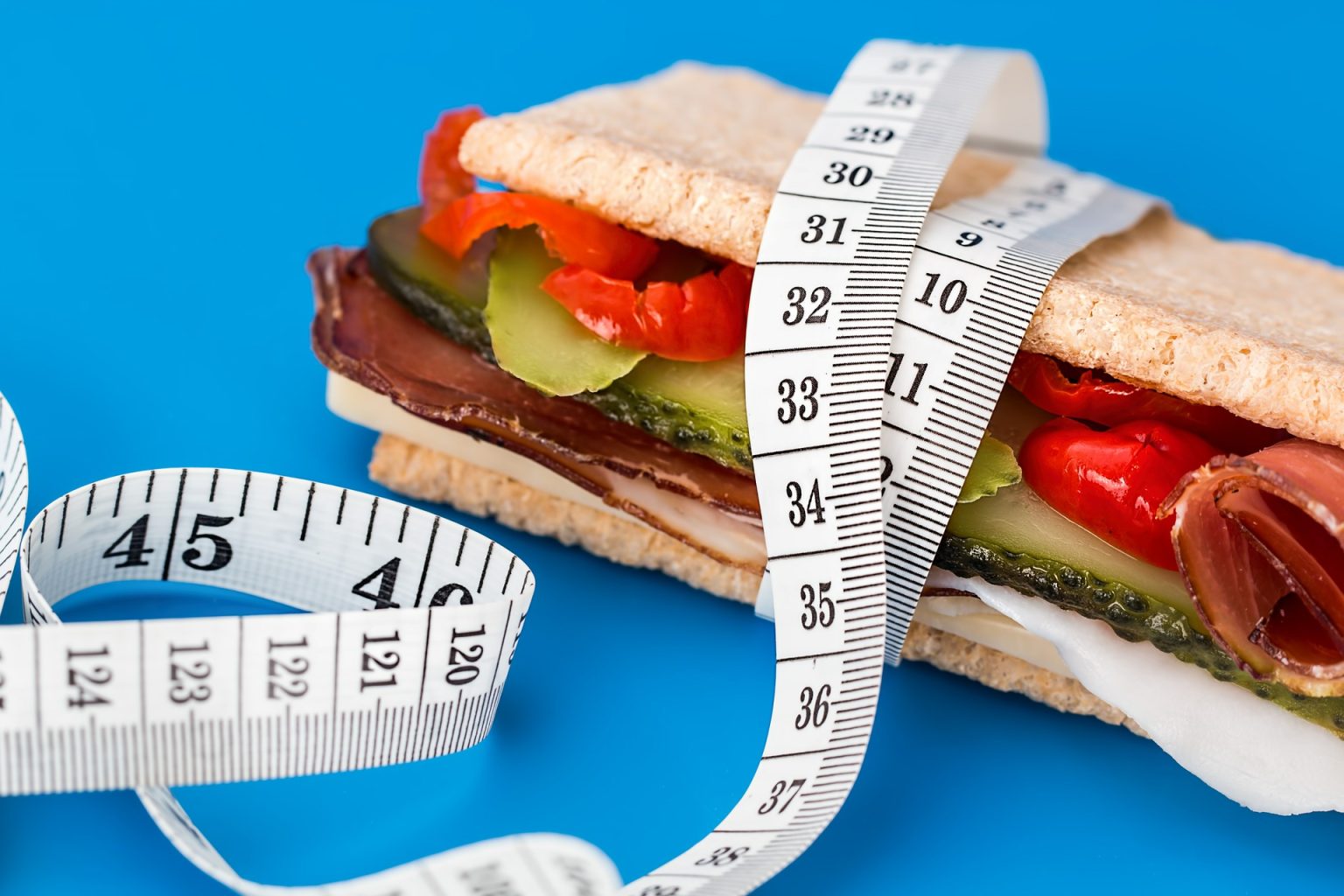
Many patients want to lose weight, either for health or aesthetics reasons, and the question of “what’s the best diet?” is one I’m asked frequently.
I’ve evolved my thinking on this in my years in practice. When I first started out, I used to recommend low-carb diets very frequently. And indeed, low-carb diets can work amazingly well. Both in numerous studies and in my experience with patients, there are a wide variety of low-carb diets (Keto, atkins, paleo, etc) that often work wonders. I still think that these diets are a great way to go for many people.
But I’ve also seen plenty of countervailing studies and patients, with the most obvious example being those folks who go onto a high-carb vegetarian/vegan diet and also see terrific results.
Given this, when I’m asked about the best diet, my quickest answer is to advise people to follow the diet that they feel they are most likely to enjoy and be able to stick to. Even if, hypothetically, there was one particular diet that truly worked best with your unique biology, it would be of little use if you hated it and burned out on doing it after just a few weeks.
But my real answer goes even a step further: you don’t need to follow a rigid “diet” at all. Rather, it’s often easier and more sustainable to adopt specific lifestyle principles that you can stick to indefinitely. What are these principles?
So annoying, in fact, that I googled it, and found out that there’s a whole culture of people out there who find the ad equally repellent. Many, unfortunately, have commented on the size of the main actress, and the backlash against the backlash against the commercial (isn’t everything in America these days a backlash against a backlash?) is that the haters of the commercial are simply “fat shaming” the actress. So let me state right off the bat that indeed, fat shaming is a horrible thing, and my objection to the commercial has nothing to do with the fact that the lead actress is overweight.
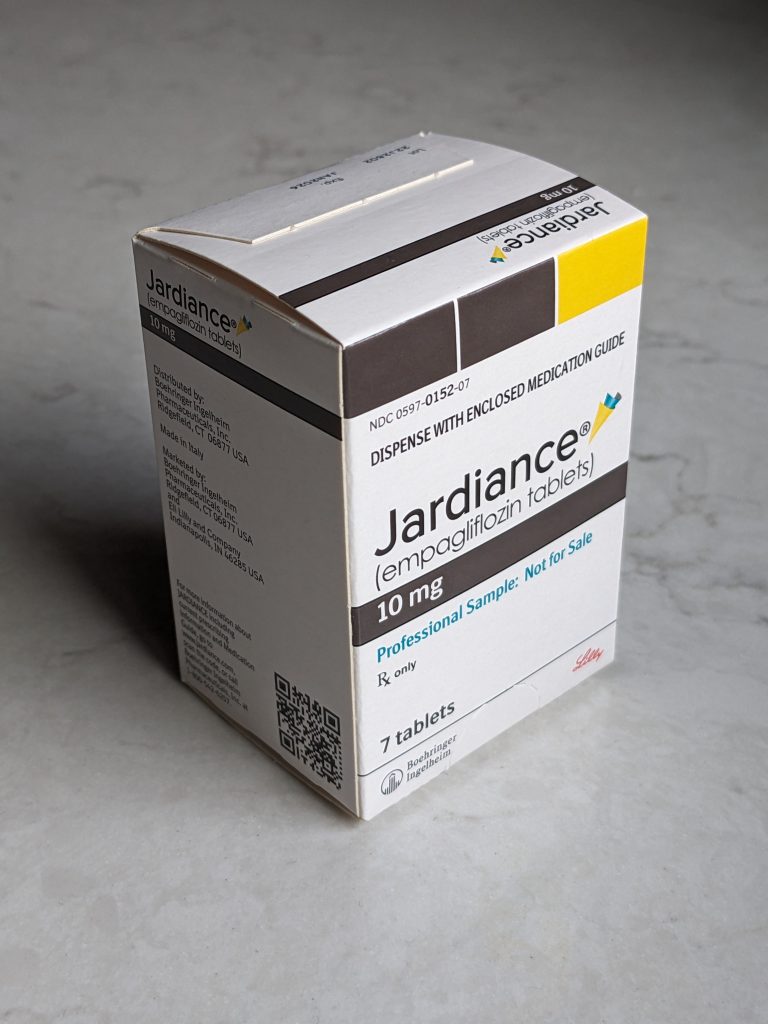
Rather, what really irritates me about the commercial (other than the cloyingly obnoxious jingle) is that it perpetuates the great pharmaceutical lie about type 2 diabetes: namely, that it’s an incurable disease that is best controlled with medication. Nothing could be further from the truth. The fact is that type 2 diabetes is often curable, and almost always manageable, with lifestyle modification, and – provided they make the correct changes – many type 2 diabetics don’t require any medication at all.
In recent years, there has been an explosion of interest in healthcare related content on the internet. Podcasts by figures such as Peter Attia, Andrew Huberman, Rhonda Patrick, Ken Berry, and Gabrielle Lyon, to name a few, have become extremely popular. Typically these podcasts take a health issue and dissect it for the average person, often with a bit of a different perspective than is found in mainstream medicine. And while I don’t agree with every single thing that each of the above doctors says or touts, I think that overall these folks do a great service to the American (and global) public by empowering people to learn more about how to take charge of their own health.