I’d like to use this post to introduce a very simple, and important, concept that is a key idea to understanding metabolic health: the “personal fat threshold.”
Before doing so, I just want to clarify my point of view about this: I am not suggesting that butter is a health food, nor that you might not be better off eating less of it. The balance of the evidence, for example, strongly suggests that good quality olive oil is much healthier for you than butter. So please don’t read this post and walk away thinking that butter is unambiguously good for you and that the more of it you eat the better, as is promoted by some health influencers on the internet.
I’ve written at length on this blog about the benefits of regular physical activity and a simple approach to staying fit that doesn’t just rely on “working out.” To highlight this point from a different angle, I want to revisit a study that is now a quarter-century old.
I discuss nutrition a lot on this blog, and two themes I come back to over and over again are the importance of avoiding processed foods and the benefits of increasing protein. I’ve also stated in the past that I am diet agnostic, by which I mean I believe a multitude of diets can work and the most important thing is to find the diet that works for you. With that said, patients and readers of this blog may have picked up on the fact that I tend to be partial to low-carb diets. This is not because I believe that low-carb diets are the only way to lose weight or that they are always the best choice, but because in my years of practice I’ve found many patients to have an easier time sticking to these plans and therefore achieving results than they do with other types of diets.
Where do plant based/vegan diets fall into my thinking?
My last post discussed the importance of building muscle for good health and slower aging, and how this in turn requires regular strength training (such as lifting weights, though that is not the only modality for achieving muscle health) and adequate protein intake.
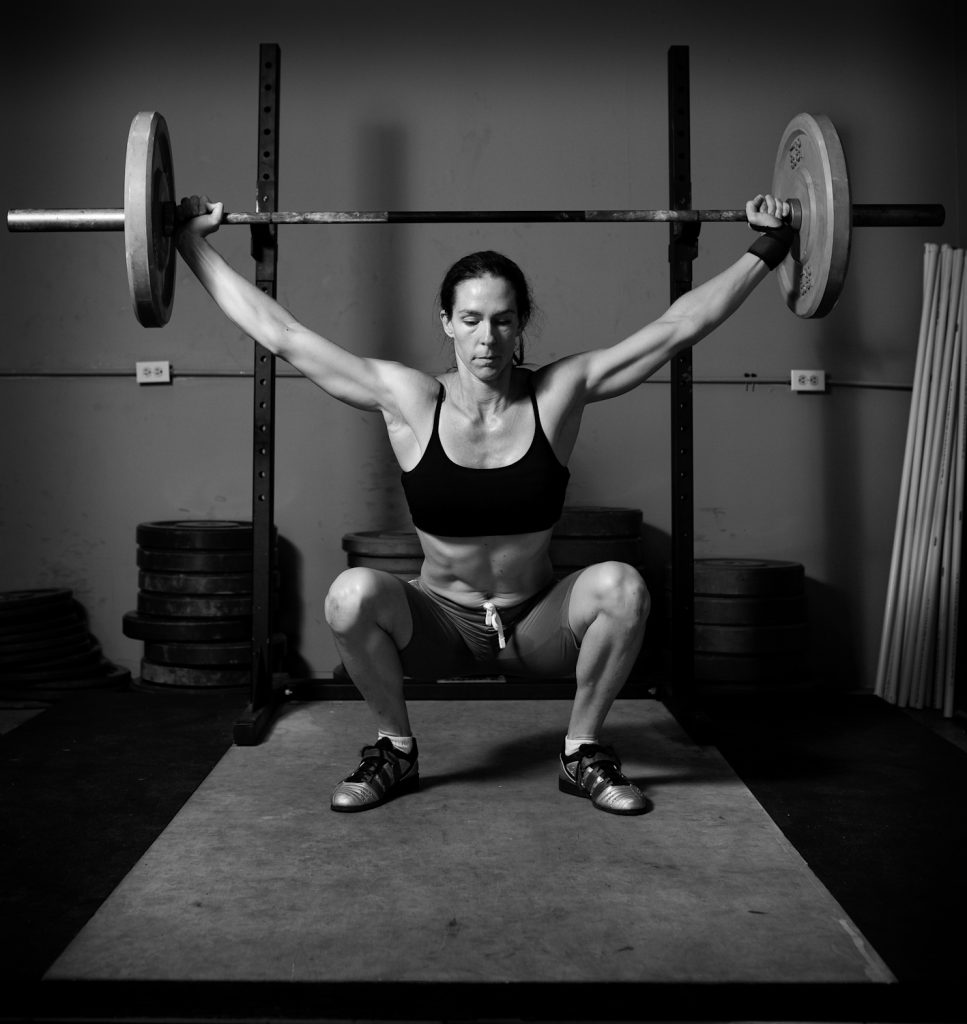
Before moving on from this topic, I want to take a moment to give a special emphasis on this point to any female readers of this blog.
One of the concepts I spend a lot of time talking to my patients about is the importance of maintaining muscle health. The reason for this is that virtually all people start to gradually lose muscle beginning somewhere in their 30s or 40s. At first these changes are barely noticeable, but by the time they are in their 70s many people will experience a huge degradation in their degree of fitness.